



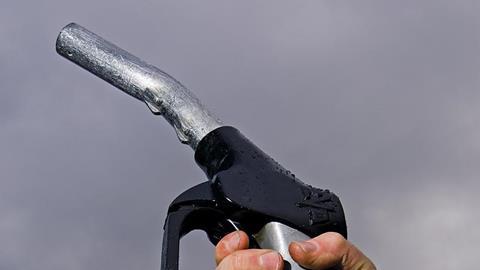

The RHA has launched a major campaign push ahead of the upcoming Budget, warning MPs that escalating fuel costs are severely squeezing operator margins, locking up working capital, and threatening the viability of essential transport contracts.
The campaign sees RHA launch its RHA Fuel Duty Proposal manifesto today which it is sending to all MPs.
The manifesto calls on Chancellor John Healey to freeze fuel duty at its current rate and cancel planned increases; end automatic fuel duty increases linked to Retail Prices Index (RPI) inflation; and introduce a 15p-per-litre Essential User Rebate for eligible truck, coach and van operators, reviewed after six months.
Announcing the launch, Richard Smith, RHA managing director, said: “Our industry-representative evidence brings together the experience of operators across the haulage, coach and van sectors.”
He added: “These asks address different parts of the same problem. A freeze prevents additional pressure. Delinking improves planning certainty. A rebate helps address the cashflow squeeze businesses already face.
Smith listed the rising fuel costs hamper the industry. “Our evidence shows fuel costs reducing margins, putting pressure on working capital and making some contracts financially unviable. Operators are having to reconsider investment and the work they can afford to undertake.”.
Smith said the timing of payments compounds the problem.” Fuel has to be purchased to complete a delivery or journey, often well before the customer pays,” he explained.
“One operator described paying for fuel within 7–14 days while waiting around 50 days for payment from customers. That kind of gap absorbs cash simply to keep vehicles moving,” he added.
Smith said recovering higher costs is difficult for operators where contracts are fixed or services have been booked months in advance.
“There are consequences whatever choice an operator makes. Absorbing costs weakens their business. Increasing prices passes pressure along the supply chain.
“Turning down work can reduce the services available to customers and communities. Delaying investment affects future productivity and the transition to lower-emission vehicles.
“A fuel duty freeze is therefore necessary, but it cannot resolve the pressures already within these businesses.
Smith called for immediate action from the Government in the form of a targeted Essential User Rebate.
“At 15p per litre, an operator using 10,000 eligible litres a month would receive £1,500 in monthly support – £9,000 over six months.
“That’s money available to help meet operating costs and sustain the capacity on which customers depend,” he explained.
He pointed to the existence of similar targeted fuel-duty relief in the UK’s agricultural and rail sector and noted that Ireland and France also provide fuel-tax relief for qualifying road transport operators.
“The mechanisms and eligibility rules differ from our proposal, particularly its inclusion of vans. Nevertheless, they demonstrate that differentiated treatment can support essential economic activity,” he added.
Smith said that RHA recognises the pressures on the public finances and with this in mind it proposal would come with clear eligibility rules, verified fuel purchases, proportionate checks and prompt payments.
“A formal review after six months should examine business viability, customer prices, investment, transport capacity and Exchequer costs, including whether the rate remains appropriate. That provides accountability while allowing support to reach operators facing immediate pressures,” he suggested.
Smith concluded: “You cannot grow an economy without moving it. Backing the businesses that keep Britain moving is an investment in the economy and communities we all share.”