




Women account for around 1% of HGV drivers in the UK, according to figures cited by Driver Hire Training, with female drivers continuing to be underrepresented across the logistics sector.
One woman, who passed her Class 2 HGV test last year with the help of Driver Hire Training, said a lack of visibility and perceptions about the physical demands of the job could be among the factors discouraging women from entering the industry.
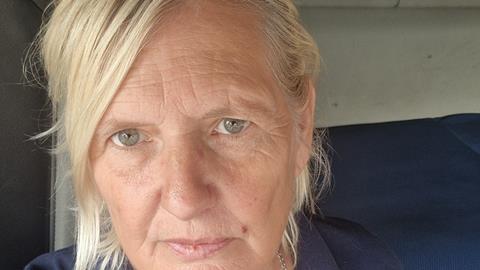
Donna, whose surname is not provided by Diver Hire Training, had previously worked in driving-related roles, including for Royal Mail and other delivery companies, and said she had long been familiar with the HGV sector through members of her family who worked as drivers.
Speaking to Driver Hire Training, she said: “I decided to get my class 2 HGV licence because I thought: I could do that, and I wanted to prove to myself that I could.
“I was at a point in my life where I thought, this is the right time to do this and go down a new path,” she said.
She said the main challenge in gaining her licence was adapting her driving habits ahead of the test.
“When you’ve been driving cars for so long, you pick up bad habits over time, and you have to focus on picking up good habits again,” she said.
“Driver Hire Training did everything for me. It was mainly a case of doing my hazard perception, the theory, and then the main test,” she added.
Donna passed her test on 4 July last year and began working for her current employer the following month. She drives a refrigerated HGV delivering food, primarily to regional distribution centres operated by supermarkets.
She said the physical demands of the job vary according to the type of work involved.
“It’s not necessarily physically demanding – it depends on the type of work you’re doing,” she said.
“For me, the most physically demanding part is winding the trailer legs up and down when coupling or uncoupling a trailer. The rest is driving and reversing into position.”
Donna said greater awareness of HGV driving as a career option for women was needed, alongside improvements to facilities at some delivery sites and truck stops.
“I think the biggest barrier holding women back is that it’s not promoted enough as a job women can do,” she said.
“In the past, it was considered a man’s job, and not enough has been done to challenge that assumption.”
She added that some sites still lacked adequate welfare facilities for female drivers.
“Sometimes you’ll go to places where you’re delivering, or to a truck stop, and there will be one toilet for both genders,” she said.
“With so many male drivers using them, you can imagine these toilets aren’t always in the best state for women,” he added.
Donna also said the job offered more flexibility than some potential recruits might expect.
“You don’t have to work nights, and you don’t have to be away from home,” she said.
“When I started, I was doing Monday to Friday day shifts, but I wanted more time with my family, so I cut my days down. I now work three day shifts a week.”
She said support from more experienced drivers had also been important since entering the industry.
“There are so many experienced guys in the industry who will help you out. People who work at different companies, from different countries, it doesn’t matter.
“If anyone sees you struggling, they’ll help. They are great guys and it is a supportive environment to be a part of.
“I come across it every day – the more experienced drivers in the yard give the best advice, whether it’s a new vehicle you haven’t driven before, or help with anything - they will take time out of their day to assist.”
Donna said she would encourage other women considering a career in HGV driving to explore the opportunities available.
“My message to any young woman who is curious about joining the industry is: go for it and do what you want to do,” she said.