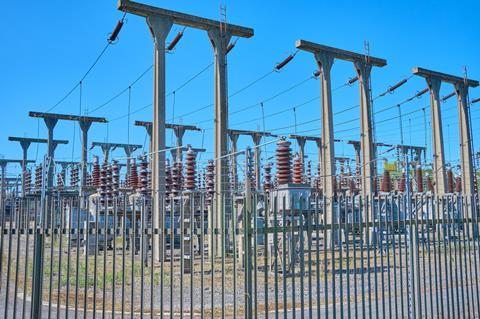










The National Energy System Operator (NESO) is preparing to manage a summer with record low levels of demand on the national electricity transmission system, with supply exceeding demand potentially for long periods. The system operator says “Operating the system at low demand is one of the most complex challenges we face – and this complexity is increasing as the nature of low demand periods evolves”.
Periods of excess supply are a feature of our evolving energy system, with weather-dependent renewables and local energy resources proliferating, and it has opened new opportunities for customers to benefit from periods of low or even negative energy prices and new system assets such as battery storage. The system operator said it expects to see more ‘negative price periods’ this year, especially during solar peak hours.
In the past, NESO’s annual ’Summer Outlook’ (and a similar ‘Winter Outlook’ published in autumn) focused on the supply margin over demand. This year NESO notes that there may be ‘tight’ periods during the so-called ‘shoulder’ months of April and October, if demand is relatively high due to cold weather. The shoulder months have also traditionally been chosen by generating companies to carry out maintenance work at power plants before or after the winter season, meaning that fewer plants are available to the market, so it is often ‘tighter’ than midwinter periods.
However of more concern this year is record low demand, which presents a management issue for NESO because the system operator has to maintain frequency and voltage levels within tight banding. To do that it uses specific power generation assets, but with some generation that cannot be turned down (such as nuclear and some combined heat and power plants), low demand may mean NESO does not have flexibility to call on the plants it wants. In that case it takes actions such as selling power across interconnectors to our neighbouring countries. NESO said, “We anticipate periods where nuclear generation, inflexible generation (such as combined heat and power systems), interconnector imports and renewable output will exceed minimum demand”. It says, “we expect to see an increase in the number of everyday actions in the control room” which include storing power (in hydro pumped storage plants or batteries), curtailing excess supply and trading on the interconnectors to reduce imports or secure exports. It may also publish a Negative Reserve Active Power Margin (NRAPM) notice, asking flexible customers to increase demand.
The Summer Outlook says the late May bank holiday has the greatest probability of record low demand, but the lowest demand day could credibly occur on any weekend between early May and late August.
The system operator had early sight of the issues involved in managing low demand during the Covid lockdown, when business and industrial demand plummeted. At that time it introduced a ‘footroom’ product to help it manage the system during periods of very low demand. ‘Optional Downward Flexibility Management’ included payments to increase demand, especially on bank holidays and weekends, when supply is most likely to exceed demand.